Program watch / The frontier

Where the future is being built.

5 active programs — campaign readiness, recovery watch, and the hardware rewriting what leaves the ground.

Starship
Program / 0172% ready

SpaceX

Starship

Starship / Super HeavyStarbase

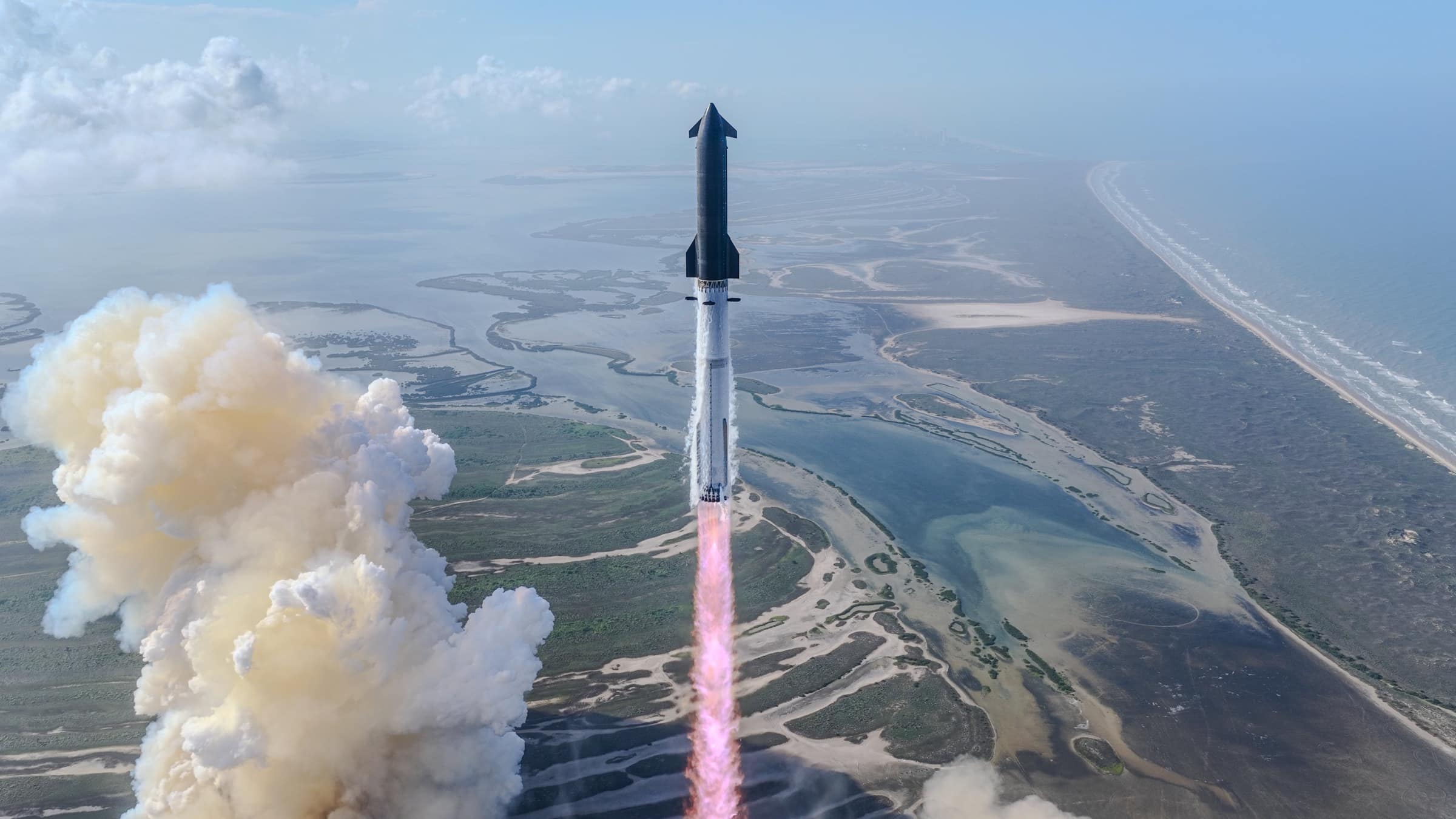
SpaceX is targeting Flight 14 for no earlier than Monday, September 28 at 12:15 UTC from Pad 2 — first orbit attempt, 26 Starlink V3, pending regulatory approval. Booster 21 is on the Pad 2 launch mount. Ship 41 has not rolled. Ship 40 remains on Forte at Christmas Island.

Campaign readiness72%7/9 checks
Open campaign
Moon to Mars
Program / 024/8 gates cleared

SpaceX

Moon to Mars

Starship HLS / MarsStarbase

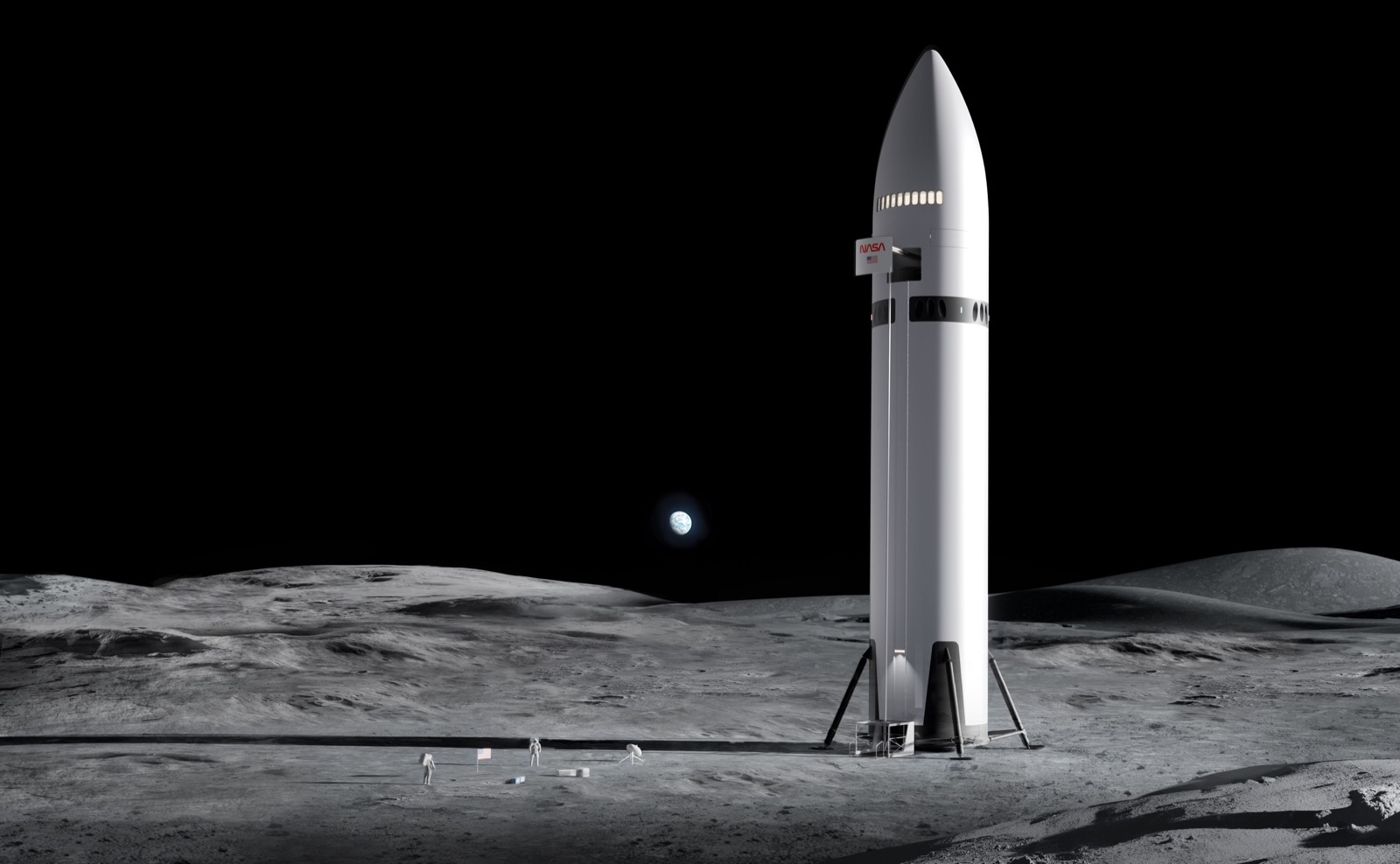
SpaceX is building Starship to land NASA crews near the lunar south pole — now planned on Artemis IV, not III — then to carry cargo and people to Mars. NASA added an Earth-orbit docking demo as Artemis III. Flight 14 is a published first-orbit attempt, not a propellant-transfer demonstration.

MoonNASA HLS
NextRefueling
MarsCargo first
Open Moon to Mars watch
New Glenn
Program / 03Recovery watch

Blue Origin

New Glenn

New GlennLC-36

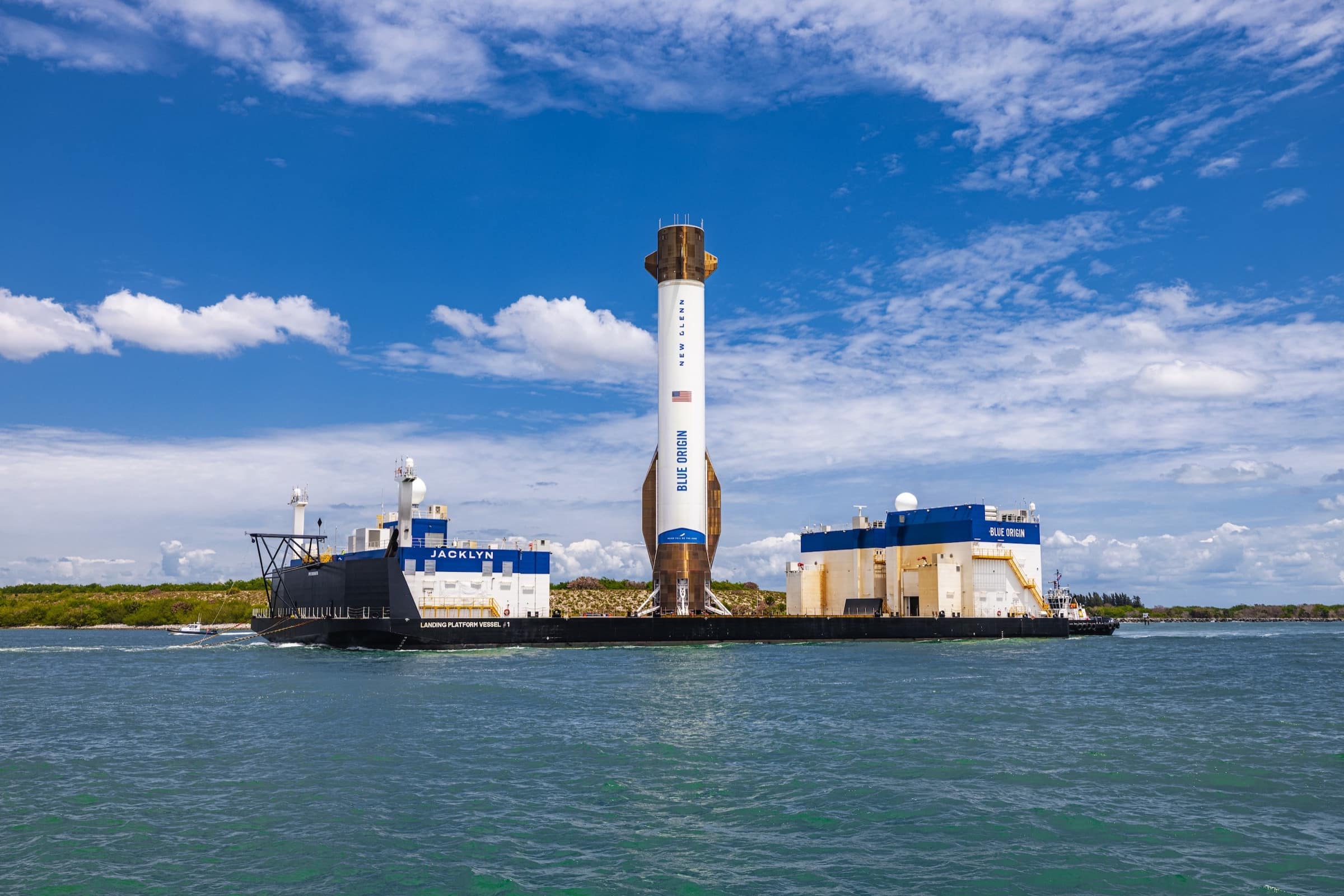
New Glenn is still rebuilding LC-36A for a crane-based return to flight. Refurbished vehicle-access-tower modules are going back up, Never Tell Me The Odds is headed to the Integration Facility, and a new upper stage has shipped to Stennis. Blue Origin’s public goal is still a flight before the end of 2026 — that is not a launch date.

IncidentMay 28 explosion
SiteLC-36
ModeRecovery
Open recovery page
Artemis
Program / 044/6 gates cleared

NASA

Artemis

SLS / OrionLC-39B

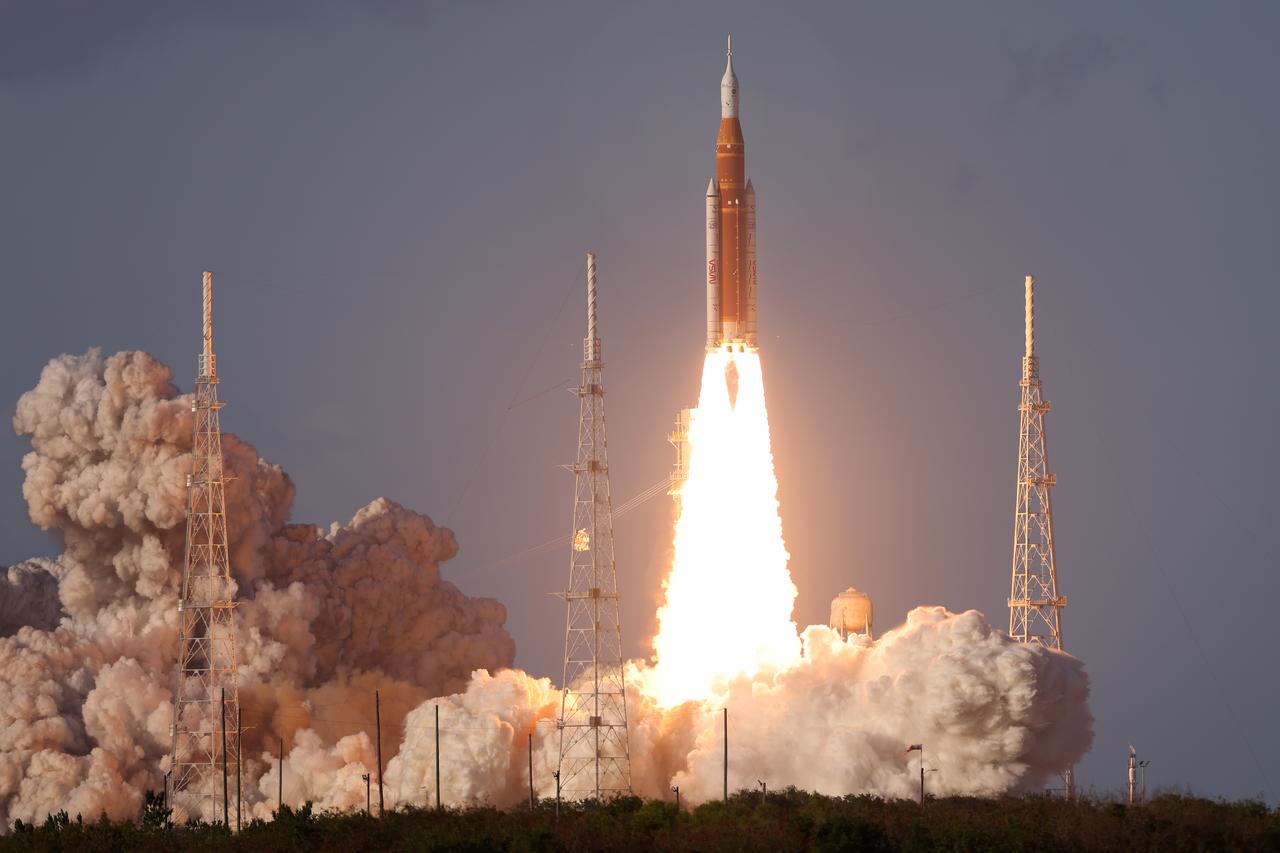
Artemis II flew its four-person crew around the Moon and back in April 2026 — the first crewed lunar flight since Apollo 17. NASA’s next flight, Artemis III, is an Earth-orbit docking demo targeted for mid-2027. At Kennedy, RS-25 installation began August 24 and booster stacking is underway. The first crewed landing is Artemis IV in 2028.

FlightsI · II flown
NextIII · LEO 2027
LandingIV · 2028
Open Artemis watch
Space Launch System
Program / 052 · both successful

NASA

Space Launch System

Space Launch SystemLC-39B

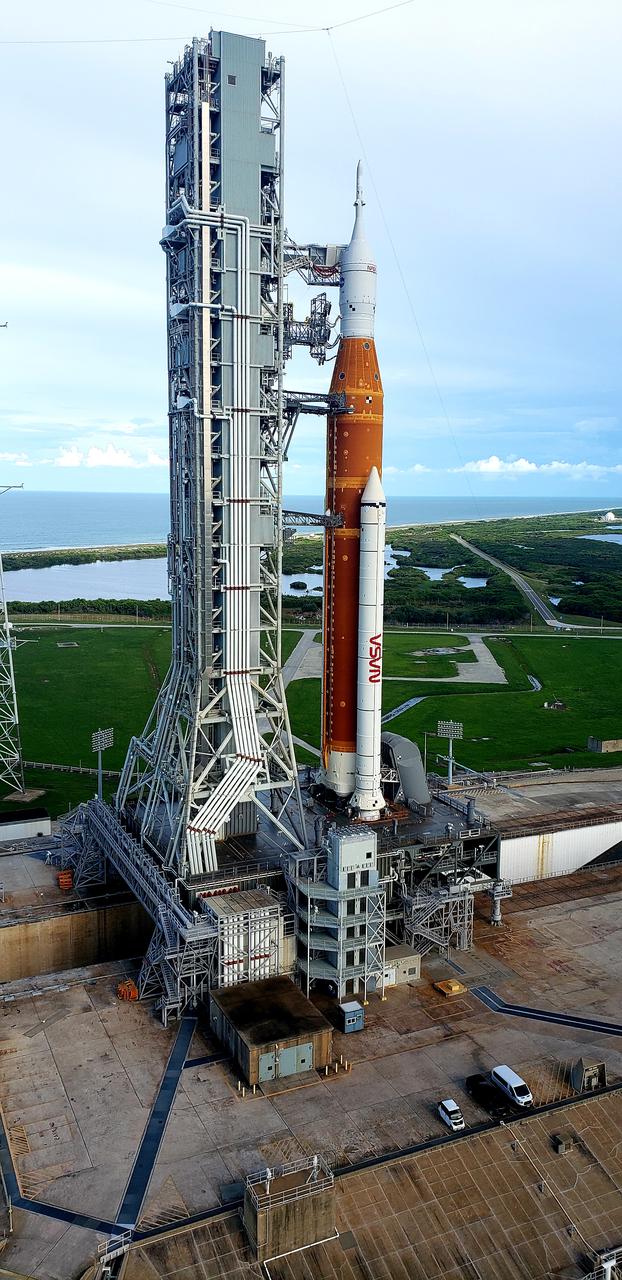
NASA's Shuttle-derived super heavy-lifter stands 98 meters tall and has flown twice. NASA cancelled Block 1B and Block 2 upgrades in February 2026 and is standardizing on the flying Block 1 vehicle. The Artemis III core is in the Vehicle Assembly Building, with RS-25 installation and booster stacking underway for an Earth-orbit docking demo.

Height98 m
To LEO95 t (Block 1)
Record2-for-2
Open vehicle brief

How readiness works

For active launch campaigns, we aggregate public hardware, regulatory, recovery, and stream signals into one weighted score. Hardware activity carries the most weight; weather and stream confidence rise late.

What this is not

Not an official launch probability from SpaceX or Blue Origin. When a program is recovering from a major incident, we replace the score with verified recovery updates until launch-watch coverage is appropriate again.

When it gets hot

Readiness climbs once static fires complete, hazard notices publish, and an official livestream is posted. Recovery pages stay focused on confirmed investigation, repair, and pad status information.